Capsules accompagnement JRE CVAC
- Read more about Capsules accompagnement JRE CVAC
- Log in or register to post comments
- 8 views
Login or register to share your adaptations.
List of adaptions
Be the first to add your adaptation here!
Login or register to share your adaptations.
Be the first to add your adaptation here!
Login or register to join the discussion.
Be the first to comment!
Login or register to share your adaptations.
Be the first to add your adaptation here!
Login or register to engage in the review and feedback process.
Be the first to review!
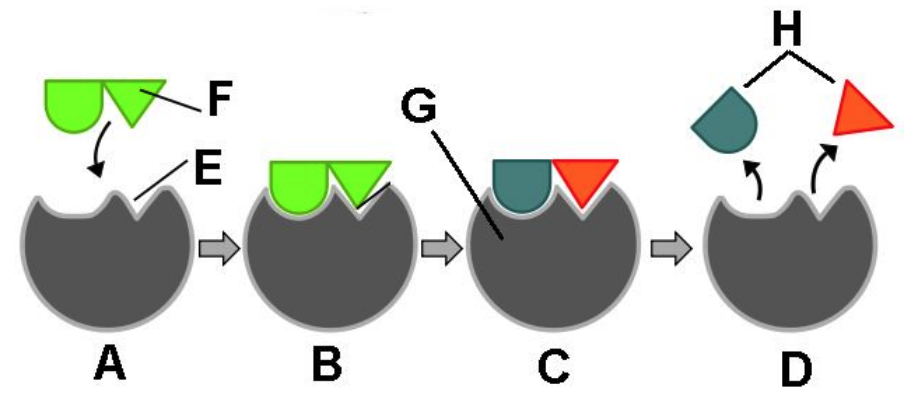
Enzyme
Substrate
Login or register to join the discussion.
Be the first to comment!
Login or register to share your adaptations.
Be the first to add your adaptation here!
Login or register to engage in the review and feedback process.
Be the first to review!
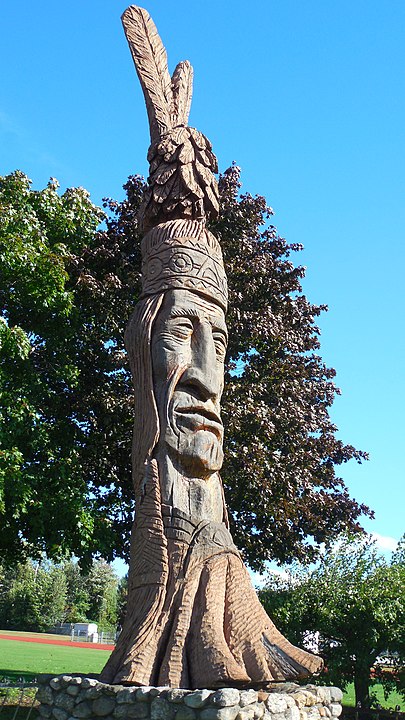
Statue of Keewakwa Abenaki Keenahbeh in Opechee Park in Laconia, New Hampshire (standing at 36 ft.). Sources: Sculptor: Peter Wolf Toth / Photo by: Niranjan Arminius - Own work, CC BY-SA 4.0, https://commons.wikimedia.org/w/index.php?curid=51375010
The Abenaki (Abnaki, Abinaki, Alnôbak) are a Native American tribe and First Nation. They are one of the Algonquian-speaking peoples of northeastern North America. The Abenaki originated in a region called Wabanahkik in the Eastern Algonquian languages (meaning "Dawn Land"), a territory now including parts of Quebec and the Maritimes of Canada and northern sections of the New England region of the United States. The Abenaki are one of the five members of the Wabanaki Confederacy.
The Abenaki language is closely related to the Panawahpskek (Penobscot) language. Other neighboring Wabanaki tribes, the Pestomuhkati (Passamaquoddy), Wolastoqiyik (Maliseet), and Miꞌkmaq, and other Eastern Algonquian languages share many linguistic similarities. It has come close to extinction as a spoken language. Tribal members are working to revive the Abenaki language at Odanak (means "in the village"), a First Nations Abenaki reserve near Pierreville, Quebec, and throughout New Hampshire, Vermont and New York state.
Abenaki is an Algonquian language, related to other languages like Lenape and Ojibwe. We have included twenty basic Algonquin words here.
| English (Français) | Algonquin Words |
| One (Un) | Pejig |
| Two (Deux) | Nìj |
| Three (Trois) | Niswi |
| Four (Quatre) | New |
| Five (Cinq) | NÃ nan |
| Man (Homme) | Ininì |
| Woman (Femme) | Ikwe |
| Dog (Chien) | Animosh |
| Sun (Soleil) | Kìzis |
| Moon (Lune) | Tibik-kìzis |
| Water (Eau) | Nibì |
| White (Blanc) | Wà bà |
| Yellow (Jaune) | Ozà wà |
| Red (Rouge) | Miskwà |
| Black (Noir) | Makadewà |
| Eat (Manger) | Mìdjin |
| See (Voir) | WÃ bi |
| Hear (Entendre) | Nòndam |
| Sing (Chanter) | Nigamo |
| Leave (Partir) | Mà djà  or Nagadà n |
Please note: the content on this page, sourced from http://www.native-languages.org/algonquin_words.htm, is meant for demonstration purposes only.
Login or register to join the discussion.
Be the first to comment!
Login or register to share your adaptations.
Be the first to add your adaptation here!
Login or register to engage in the review and feedback process.
Be the first to review!
Login or register to join the discussion.
Be the first to comment!
Login or register to share your adaptations.
Be the first to add your adaptation here!
Login or register to engage in the review and feedback process.
Be the first to review!
Statue of Keewakwa Abenaki Keenahbeh in Opechee Park in Laconia, New Hampshire (standing at 36 ft.). Sources: Sculptor: Peter Wolf Toth / Photo by: Niranjan Arminius - Own work, CC BY-SA 4.0, https://commons.wikimedia.org/w/index.php?curid=51375010
The Abenaki (Abnaki, Abinaki, Alnôbak) are a Native American tribe and First Nation. They are one of the Algonquian-speaking peoples of northeastern North America. The Abenaki originated in a region called Wabanahkik in the Eastern Algonquian languages (meaning "Dawn Land"), a territory now including parts of Quebec and the Maritimes of Canada and northern sections of the New England region of the United States. The Abenaki are one of the five members of the Wabanaki Confederacy.
The Abenaki language is closely related to the Panawahpskek (Penobscot) language. Other neighboring Wabanaki tribes, the Pestomuhkati (Passamaquoddy), Wolastoqiyik (Maliseet), and Miꞌkmaq, and other Eastern Algonquian languages share many linguistic similarities. It has come close to extinction as a spoken language. Tribal members are working to revive the Abenaki language at Odanak (means "in the village"), a First Nations Abenaki reserve near Pierreville, Quebec, and throughout New Hampshire, Vermont and New York state.
Abenaki is an Algonquian language, related to other languages like Lenape and Ojibwe. We have included twenty basic Algonquin words here.
| English (Français) | Algonquin Words |
| One (Un) | Pejig |
| Two (Deux) | Nìj |
| Three (Trois) | Niswi |
| Four (Quatre) | New |
| Five (Cinq) | NÃ nan |
| Man (Homme) | Ininì |
| Woman (Femme) | Ikwe |
| Dog (Chien) | Animosh |
| Sun (Soleil) | Kìzis |
| Moon (Lune) | Tibik-kìzis |
| Water (Eau) | Nibì |
| White (Blanc) | Wà bà |
| Yellow (Jaune) | Ozà wà |
| Red (Rouge) | Miskwà |
| Black (Noir) | Makadewà |
| Eat (Manger) | Mìdjin |
| See (Voir) | WÃ bi |
| Hear (Entendre) | Nòndam |
| Sing (Chanter) | Nigamo |
| Leave (Partir) | Mà djà  or Nagadà n |
Please note: the content on this page, sourced from http://www.native-languages.org/algonquin_words.htm, is meant for demonstration purposes only.
Login or register to join the discussion.
Be the first to comment!
Login or register to share your adaptations.
Be the first to add your adaptation here!
Login or register to engage in the review and feedback process.
Be the first to review!
Login or register to join the discussion.
Be the first to comment!
Login or register to share your adaptations.
Be the first to add your adaptation here!
Login or register to engage in the review and feedback process.
Be the first to review!
life without cells would be helpless we would be weak and the government would have to build more hospitalsImagine a world where we didn't have the amazing power of cells to keep us going. It's hard even to fathom, but our bodies would be helpless and we would be weak. Just think about all the incredible things we can accomplish because of our cells - we can run, jump, dance, and explore the world around us. Let's never take for granted the incredible gift of life that our cells give us, and let's use that gift to inspire others and positively impact the world. Remember, you have the power to do amazing things - all thanks to the incredible cells that make up your body! and well no one would have the energy to give commands and move around to build the hospital
Login or register to join the discussion.
Login or register to share your adaptations.
Be the first to add your adaptation here!
Login or register to engage in the review and feedback process.
Be the first to review!
fdgfdg
etst
Login or register to join the discussion.
Be the first to comment!
Login or register to share your adaptations.
Be the first to add your adaptation here!
Login or register to engage in the review and feedback process.
Be the first to review!
In July 2023, The College of Nurses of Ontario put their new Scope of Practice guidelines into place for all Nurses in Ontario. Significant changes to the document work hand in hand with the CNO's Code of Conduct and inform practice for nurses in Ontario.
As a nurse leader, it is incumbent on us to not only put this into our practice but also to support the nurses on our team with implementing it into theirs. This includes ensuring that the environment we work in is supportive of these practice changes.
After viewing the webinar from the CNO, let's take a minute to reflect on some of the ways that you can see how your practice needs to change.
You can refer to the Scope of Practice document here for any clarification....
Let's examine an example scenario:
Login or register to join the discussion.
Be the first to comment!
Login or register to share your adaptations.
Be the first to add your adaptation here!
Login or register to engage in the review and feedback process.
Be the first to review!
Comments
Be the first to comment!